Cosmetic Dentistry: Exploring Dental Implants, Veneers, Dentures And Dental Bridges

A beautiful smile has the power to transform your appearance, boost confidence, and improve your overall quality of life. Today’s advancements in cosmetic dentistry give patients more options than ever before to restore or enhance their smiles—whether through dental implants, veneers, dentures, or a combination of treatments. Each option offers unique benefits and potential drawbacks, depending on a patient’s oral health, goals, and budget.
1. Dental Implants
What They Are
Dental implants are titanium posts surgically placed into the jawbone to act as artificial tooth roots. Once healed, a crown, bridge, or denture is attached to the implant, creating a natural-looking and permanent tooth replacement.
Pros of Dental Implants
- Permanent and Long-Lasting Solution
With proper care, dental implants can last decades or even a lifetime. They fuse directly with the jawbone, creating a secure and stable foundation for replacement teeth. - Natural Look and Feel
Implants mimic natural teeth in both appearance and function. Most patients can’t tell the difference once the procedure is complete. - Prevents Bone Loss
When a tooth is lost, the surrounding bone begins to deteriorate over time. Implants stimulate the bone just like natural roots, helping preserve facial structure and prevent the sunken look often associated with missing teeth. - Improved Function and Speech
Implants restore full chewing ability, allowing patients to eat any food they enjoy. Because they’re fixed in place, they also help maintain clear and confident speech.
Cons of Dental Implants
- Higher Initial Cost
Implants are one of the most expensive cosmetic dental procedures due to the surgical process and high-quality materials involved. - Surgical Procedure Required
Placement requires oral surgery, which comes with normal surgical risks such as infection, bleeding, or implant failure. - Extended Healing Time
Bone integration can take several months, so the entire treatment process may span 3–6 months or more. - Requires Adequate Bone Density
Patients with significant bone loss may need additional procedures, such as bone grafting, before implants can be placed.
Ideal Candidates: Adults with healthy gums, adequate bone structure, and good overall health who want a long-term, natural-looking tooth replacement.
2. Porcelain Veneers
What They Are
Veneers are thin, custom-made shells of porcelain or composite resin that are bonded to the front of the teeth. They are commonly used to correct discoloration, chips, gaps, or misalignment and are popular among those seeking a Hollywood-style smile makeover.
Pros of Veneers
- Instant Aesthetic Improvement
Veneers can quickly transform your smile, concealing stains, cracks, and imperfections in just two visits. - Natural Appearance
High-quality porcelain veneers reflect light much like natural tooth enamel, creating a beautiful and realistic look. - Stain Resistance
Porcelain is nonporous, making it resistant to common staining agents like coffee, tea, or red wine. - Customizable and Minimally Invasive
Veneers are tailored in shape, color, and size to match your desired look. The procedure involves minimal enamel removal compared to full crowns.
Cons of Veneers
- Irreversible Procedure
Because a small portion of enamel must be removed, the process cannot be undone. Once you get veneers, you’ll always need them. - Potential for Chipping or Cracking
While durable, veneers can chip or fracture under extreme pressure, such as biting hard foods or grinding teeth. - Not Suitable for Severely Damaged Teeth
Veneers are a cosmetic solution—they don’t strengthen teeth with severe decay or structural issues. - Cost Considerations
Veneers can be costly, especially when applied to multiple teeth, and they’re typically not covered by dental insurance.
Ideal Candidates: Patients with healthy teeth and gums who want to correct mild to moderate aesthetic issues such as discoloration, uneven spacing, or minor misalignment.
3. Dentures (Traditional and Snap-In)
What They Are
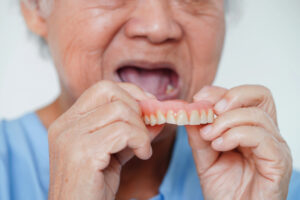
Dentures are removable prosthetic appliances designed to replace missing teeth and restore function and aesthetics. Modern options include traditional dentures (which rest on the gums) and snap-in dentures, which attach to dental implants for added stability.
Pros of Dentures
- Affordable Tooth Replacement
Traditional dentures are the most budget-friendly way to replace multiple missing teeth, especially for full-mouth restoration. - Quick Turnaround
Dentures can often be fabricated in just a few weeks, offering a faster solution than implants. - Improved Appearance and Function
High-quality dentures restore facial structure, enhance your smile, and improve speech clarity. - Option for Implant Retention
Snap-in dentures provide better stability and chewing power, bridging the gap between removable dentures and fixed implants.
Cons of Dentures
- Potential for Slipping and Discomfort
Traditional dentures may move or loosen while eating or speaking, sometimes requiring adhesive for security. - Bone Loss Over Time
Without implants, the jawbone beneath dentures continues to shrink, leading to fit issues and facial changes. - Regular Adjustments Needed
Dentures must be relined or replaced periodically to maintain comfort and function. - Reduced Bite Strength
Even well-fitting dentures can’t match the biting power of natural teeth or implants, limiting some food choices.
Ideal Candidates: Patients missing several or all of their teeth who want a cost-effective, non-surgical option or who may not be ideal candidates for full implant placement.
4. Dental Bridges
What They Are
A dental bridge replaces one or more missing teeth by anchoring artificial teeth (pontics) to the natural teeth or implants beside the gap. Bridges can be fixed (cemented in place) or supported by implants.
Pros of Dental Bridges
- Restores Function and Appearance
Bridges restore chewing ability, prevent teeth from shifting, and improve the appearance of your smile. - Faster Than Implants
The entire procedure can typically be completed in just a few weeks, without the need for bone integration. - Less Invasive Than Full Implants
Bridges don’t require surgical placement (unless implant-supported), making them a good middle-ground option. - Durable and Long-Lasting
With proper care, high-quality bridges can last 10–15 years or longer.
Cons of Dental Bridges
- Affects Adjacent Teeth
Traditional bridges require reshaping nearby healthy teeth to support the restoration, which can weaken them. - No Bone Preservation
Unlike implants, bridges don’t stimulate the jawbone, which can lead to gradual bone loss in the missing tooth area. - Difficult to Clean
Cleaning under and around the bridge requires special tools like floss threaders to prevent decay and gum issues. - Potential for Replacement
Bridges eventually need replacement as supporting teeth age or if the bridge becomes loose or damaged.
Ideal Candidates: Patients missing one to three consecutive teeth who have healthy adjacent teeth or dental implants for support.
Choosing the Right Option for You
Every patient’s needs are unique. Your ideal cosmetic solution depends on several factors:
- Oral health: Bone density, gum condition, and number of missing or damaged teeth.
- Budget: Costs range widely, from a few hundred dollars for dentures to several thousand for implants or veneers.
- Longevity goals: Whether you want a long-term investment or a more temporary, affordable fix.
- Aesthetic expectations: The desired level of natural appearance and comfort.
Consulting a qualified cosmetic dentist or prosthodontist is the best way to determine which option best fits your goals and budget.












Post Comment