A Complete Guide to arts events
code
Exploring the World of Arts Events: Trends, Impact, and Future Directions
Arts events have long been a cornerstone of cultural expression, offering platforms for creativity, dialogue, and community engagement. In recent years, these events have evolved, reflecting shifts in societal values, technological advancements, and global connectivity. This article delves into the current landscape of arts events, examining participation trends, economic contributions, and emerging innovations shaping the future of cultural festivals worldwide.
Understanding the Fundamentals of Arts Events
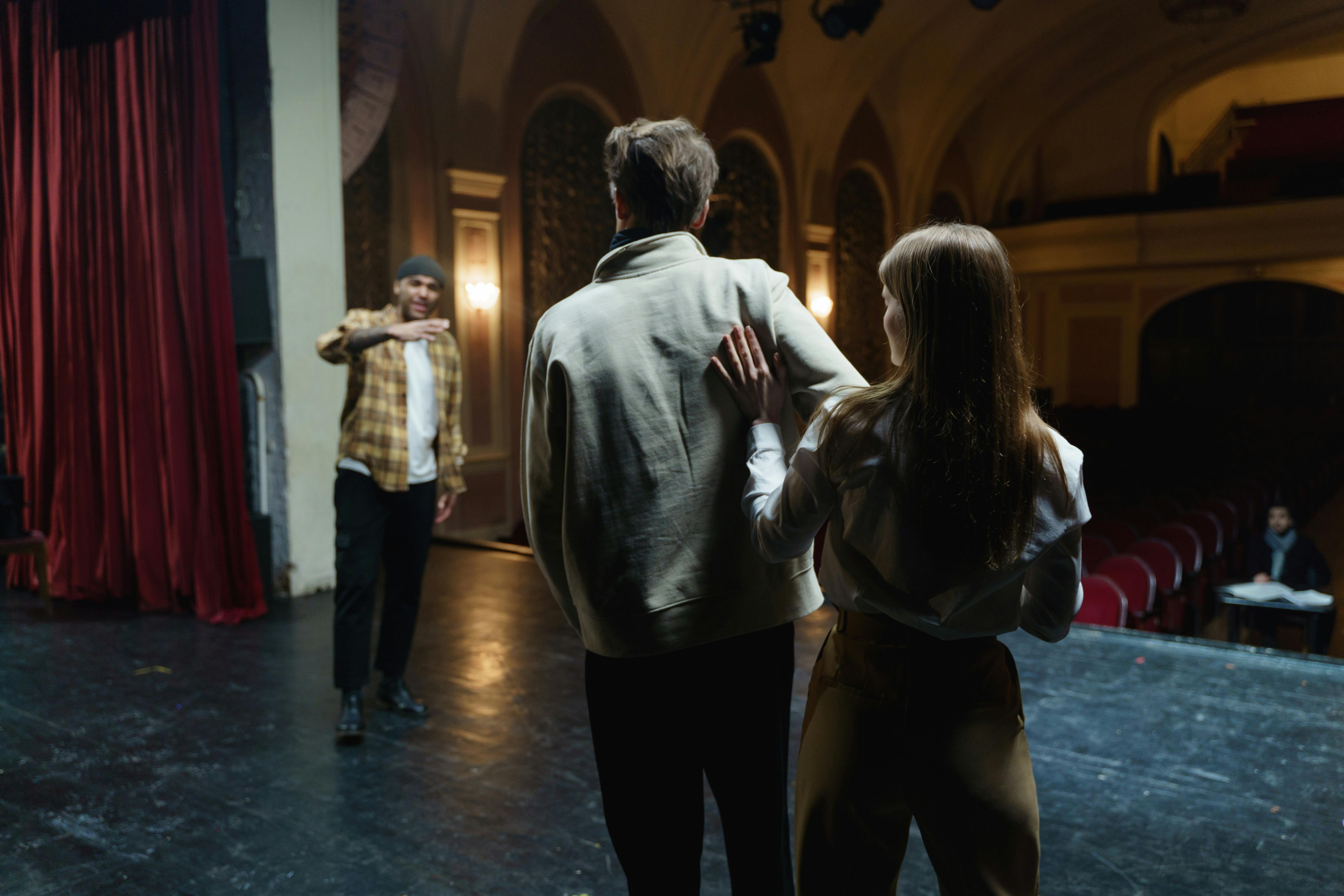
At their core, arts events encompass a wide range of activities, including theater performances, art exhibitions, music festivals, and cultural celebrations. These events serve as vital platforms for artists to showcase their work, engage with audiences, and foster cultural exchange.
1.1 The Evolution of Arts Festivals
Historically, arts festivals have been rooted in local traditions and community gatherings. Over time, they have transformed into global phenomena, attracting international artists and audiences. For instance, the Edinburgh Festival Fringe, established in 1947, has grown to become the world’s largest performing arts festival, featuring thousands of performances from artists worldwide.
1.2 The Role of Art Biennials
Art biennials, such as the Venice Biennale and the Sharjah Biennial, have emerged as significant events in the contemporary art scene. These biennials provide artists with opportunities to present new works, engage in cross-cultural dialogues, and contribute to global discussions on art and society. Cities hosting these events often experience revitalization and increased international visibility.
Economic Impact of Arts Events
Beyond their cultural significance, arts events contribute substantially to local and national economies. From generating employment opportunities to boosting tourism, the economic benefits of hosting arts festivals are manifold.
2.1 Job Creation and Economic Growth
According to the U.S. Bureau of Economic Analysis, core arts and cultural production industries, including performing arts and museums, experienced a 5.5% growth in 2023. This growth outpaced the overall economy, highlighting the sector’s resilience and importance in economic development.
2.2 Tourism and Local Business Support
Major arts events attract tourists, leading to increased spending in local businesses such as hotels, restaurants, and retail shops. For example, the Adelaide Fringe, Australia’s largest arts festival, draws over a million attendees annually, significantly impacting the local economy.
Audience Engagement and Participation Trends
Understanding audience behavior is crucial for the success of arts events. Recent studies indicate shifts in how and why people engage with the arts.
3.1 Decline in In-Person Attendance
Data from the National Endowment for the Arts reveals that in 2023, just under half (48%) of U.S. adults attended at least one arts event in person, a decrease from previous years. This decline is attributed to factors such as digital entertainment options and economic constraints.
3.2 Rise of Digital Engagement
While in-person attendance has waned, digital platforms have become increasingly popular for experiencing arts events. Streaming services, virtual exhibitions, and online performances have made the arts more accessible to a broader audience, transcending geographical limitations.
Implementation Guide: Organizing Successful Arts Events
Organizing an arts event requires meticulous planning, resource allocation, a
::contentReference[oaicite:0]{index=0}












Post Comment